The Long-Lost Le Mans Corvette That Sparked the Legend
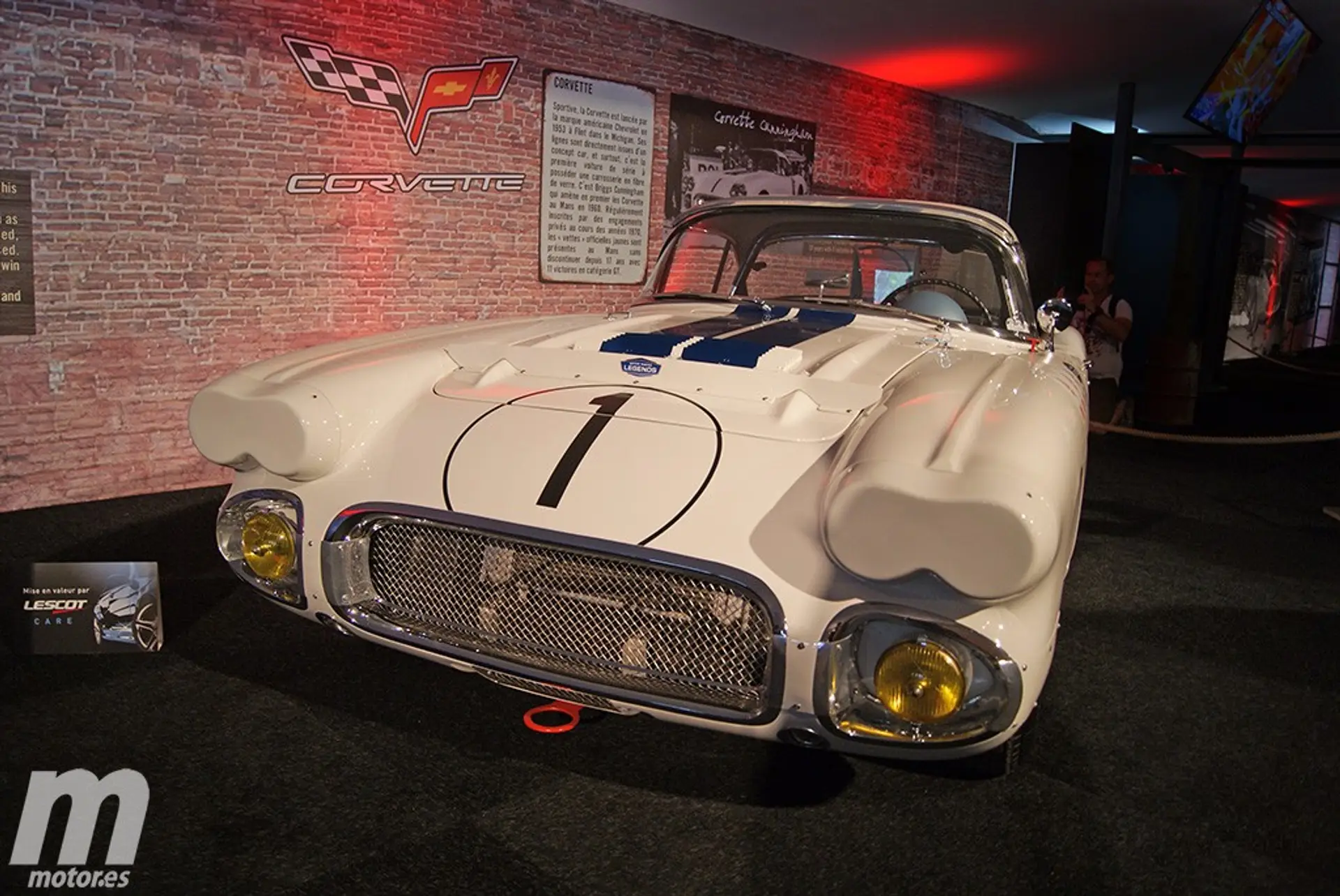
Briggs Cunningham #1, 1960 — The car that vanished for decades and resurfaced as one of Corvette racing's most important artifacts.
If you want the purest "lost-and-found" Corvette racing drama, you don't need a barn—you need a car with international pedigree, a messy identity crisis, and a comeback that feels like a detective novel.
That car is the 1960 Briggs Cunningham #1 Le Mans Corvette.
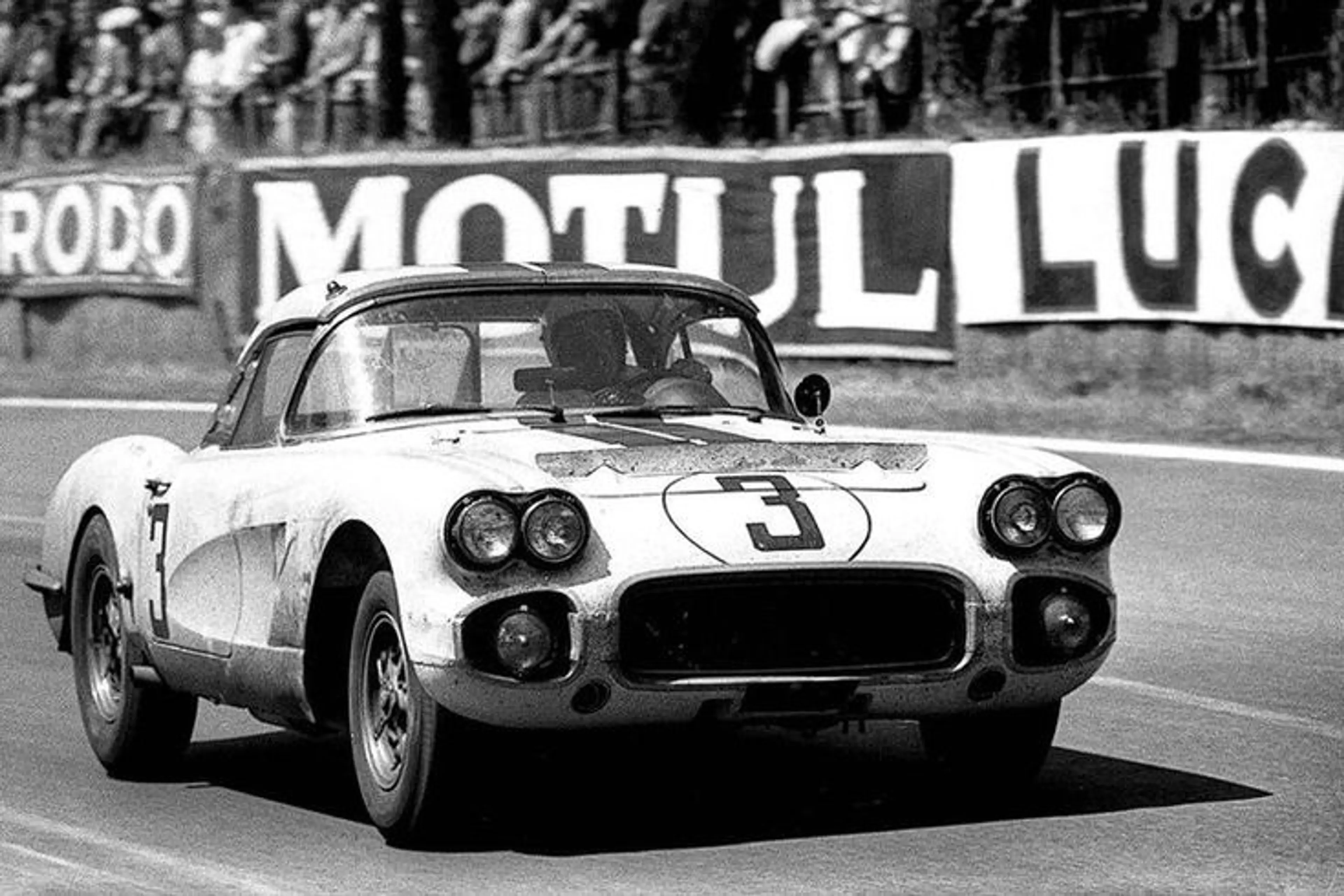
In nineteen sixty, Briggs Cunningham entered three Corvettes in the twenty-four hours of Le Mans, marking one of the earliest serious attempts to prove American sports cars on Europe's most brutal endurance stage. At the time, direct factory racing support was politically sensitive, so Chevrolet's involvement stayed discreet—but the hardware was very real.
Each car was equipped with a fuel-injected two-eighty-three cubic-inch small-block V-eight, reinforced for endurance punishment, high-speed stability, and long stints under relentless stress. This wasn't exhibition racing. This was Corvette stepping into the global arena.
"This wasn't exhibition racing. This was Corvette stepping into the global arena."
Split Fates at Le Mans
At Le Mans, the results split the story in two.
The number three car delivered the headline—finishing eighth overall and first in class, a landmark achievement that proved Corvette could survive and compete at the highest level.
But car number one, the subject of this story, never saw the checkered flag.
Early in the race, it was involved in an accident and retired around lap thirty-two. It didn't get glory. It didn't get trophies. And that early exit would shape its strange fate.
The Disappearing Act
After Le Mans, these cars weren't treated like museum pieces. In that era, race cars were tools—not artifacts. The Corvettes were converted back toward road use, their specialized racing components removed, and they were sold off into private hands. Engines were swapped. Bodywork changed. Identities blurred.
The number one car went to a private owner who modified it heavily—so heavily that its original Le Mans configuration slowly disappeared. Over the years, it passed through multiple hands, drifting further from its origins each time.
Then, around nineteen seventy-four, it vanished completely.
No registry sightings. No race appearances. No collector trail.
For decades, the car existed only as a rumor.
The 2011 Discovery
Until two-thousand eleven.
That's when it resurfaced in the most chaotic way imaginable—at an estate sale, misidentified as something entirely different. The listing described it as a pre-production Zagato-bodied Pontiac prototype, a label that made sense only because the car had been altered so radically over the years that its Corvette identity was buried under layers of changes.
Specialists eventually uncovered the truth.
The chassis, history, and documentation confirmed what it really was: the number one Briggs Cunningham Le Mans Corvette—a foundational car in Corvette racing history that had been hiding in plain sight.
"A foundational car in Corvette racing history that had been hiding in plain sight."
Legal Warfare
What followed wasn't a clean reunion. It was legal warfare.
Ownership of the car became contested, with claims that it had been stolen decades earlier. The dispute dragged on for years before finally being resolved in two-thousand fifteen, resulting in shared ownership and clearing the path for public recognition of the car's true identity.
Brutally Honest Condition
When the Corvette finally emerged again, it did so in brutally honest condition.
This wasn't a glossy restoration reveal. The car appeared exactly as it came out of storage—multiple layers of paint showing through scarred fiberglass, missing trim, a damaged interior, and a drivetrain that no longer matched its original race configuration. The famous quad-headlamp front end was gone. The side coves were missing. The original fuel-injection race engine had long since been replaced by a later small-block.
And none of that mattered.
Because the chassis told the truth.
The serial number confirmed it as the number one Le Mans entry, making it one of the cars that helped launch Corvette's endurance racing legacy on the world stage. This wasn't just another old race car—it was a cornerstone artifact from the moment Corvette stopped being an American curiosity and started becoming a global performance name.
"You weren't buying perfection. You were buying history."
That's why, even in unrestored, as-found condition, the car carried an estimated value pushing seven figures.
You weren't buying perfection.
You were buying history.
You were buying the moment Corvette racing was born—lost, buried, misidentified, and then finally brought back into the light.